Emily Rubin, LICSW, MSW, MA
Backstory
By Sue Coyle
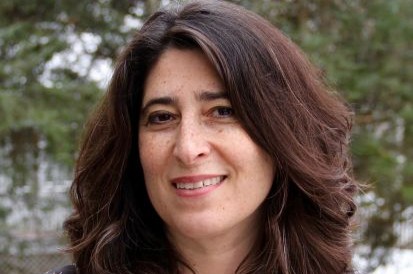
As director of Sibling Support at Eunice Kennedy Shriver Center, UMass Chan Medical School in Worcester, Mass., Emily Rubin, LICSW, MSW, MA, oversees a program that “provides referrals and resources for siblings of individuals with all kinds of disabilities, across the sibling lifespan; psychoeducational groups for siblings and caregivers of youth with behavioral health needs; [and] hands-on opportunities for trainees and clinicians to facilitate sibling support groups,’’ she describes.
This focus on siblings is not new to Rubin, who also is an assistant professor in the Department of Psychiatry at UMass Chan Medical School and a part-time teaching associate at Harvard Medical School. She is Founder Emeritus at Massachusetts Sibling Support Network, which offers resources and educational presentations to the adult siblings of people with disabilities, and recently released her book “Supporting Siblings and Parents of Children with Behavioral Challenges.”
“Siblings are an overlooked and underserved population, and that area of study felt like a natural outgrowth of my interest in resiliency” says Rubin.
The path that led Rubin to where she is today began with twin interests in writing and social work. “Even as a young child, I loved to write, and I found it equally gratifying to help people in need,” she remembers. At 25, Rubin applied to MSW programs butdecided to earn her master’s degree in writing first. It was not until “25 years later, at age 50, I finally went to an MSW program. By then, I had been working in the field for several decades.”
It was a position she held at an inpatient psychiatric unit working with latency-age children (ages 5-12) that helped cement her interest in siblings. “The events that lead up to a child’s psychiatric stay are often traumatic for family members, especially for siblings who feel scared and confused. When I realized that these family members had little to no support themselves, I decided to develop a program to address this gap in care,” she says.
Over the years, Rubin has received recognition for her work, but, she says, it is the time she spends with families, trainees and clinicians that mean the most, as well as the opportunities she has had to be mentored by other clinicians.
When not at work, Rubin finds joy outside and “I do my best to engage with compassion and curiosity. I truly believe that when we practice compassion for others, when we learn and grow together, the world becomes a better place.”