In the Public Eye — Spring 2026
More States Add Laws Limiting Cell Phone Use in Schools

Tennessee is one of 14 states to pass legislation limiting student cell phone use in schools, and it requires school systems to develop policies preventing the use of smart devices during class.
The school systems also retain discretion to allow devices for educational purposes, emergency situations, student health needs, or as part of an individualized education plan, says a story written by NASW-Tennessee member Stephanie Cole-Farris, LCSW, in the Cleveland Daily Banner. She says while this policy makes sense to many, it can bring emotional challenges for both students and parents.
“Students often rely on their phones to stay connected throughout the day,” she said. “For many children, phones are also their primary tool for managing anxiety and regulating emotions. Phones offer a sense of security and taking them away, even for good reason, can trigger stress.”
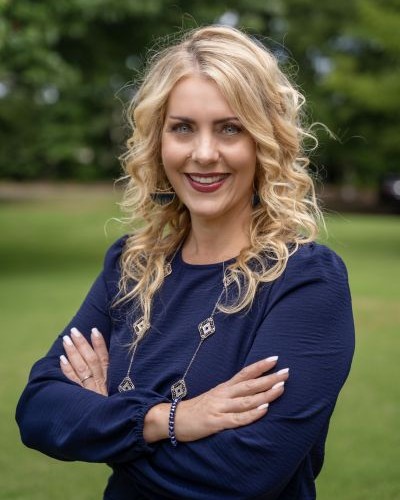
So, how can families adjust to the new school cell phone policy? Cole-Farris’ suggestions to families include:
- Build routines at home that include regular device-free time, encouraging in-person interactions and independent activities.
- Talk openly with your child about the changes. Practice “what-if” scenarios to help them prepare.
- Double-check that your child leaves home each day with everything they need.
- Ask your school how it will communicate urgent or important messages to parents
and students.
Widian Nicola
NASW-New Jersey

Widian Nicola, DSW, LCSW, of the NASW New Jersey Chapter, is an associate professor
at Seton Hall University, a couple’s therapist, and a researcher. She has spent more than two decades studying what she calls “the relational heart of human life.” Through her clinical work, she has seen firsthand how the quality of our relationships shapes not only our mental health, but also our capacity for justice, empathy and peace.
“Love isn’t just an emotion,” she says in a story posted at SHU.edu. “It’s a biological, psychological and spiritual practice that determines how societies function. If we want equity, healing and justice, we have to start by changing how we love.”
Nicola is the founder and director of the CARE Center and Academy, an interdisciplinary hub dedicated to advancing the science and sacredness of human connection. CARE (Connection, Attachment, Relationships & Emotion) explores how love, in its many forms, can heal individuals, strengthen relationships and transform society.”
Dawn Anderson-Butcher
NASW-Ohio

NASW-Ohio member Dawn Anderson-Butcher, PhD, LISW-S, is a professor at The Ohio State University where she co-leads LiFEsports and the Community and Youth Collaborative Institute. She has a PhD in sport psychology.
She co-wrote an article for Youthtoday.org about how a growing number of organizations are working to fundamentally shift the culture of youth sports by transforming how organizations prepare and support the people at its heart: coaches.
Leaders recognize that if sport is to fulfill its promise as a space for positive youth development, then coaching must be about far more than drills and playbooks, the authors state. “It must be about relationships, healing, community and purpose.”
An example: The U.S. Soccer Foundation prepares coaches to lead with empathy, build meaningful relationships, and support the social and emotional needs of their players, the authors said.
Gabrielle Lind
NASW-New York

Considering President Trump suggested pregnant women avoid taking Tylenol and “tough it out” when it comes to addressing pain, a New York Times story on Sept. 24 quoted NASW-New York member Gabrielle Lind, LCSW, who specializes in perinatal mental health. The story highlighted the fact that pregnant women have long been subject to unsolicited advice about the need to put the baby first and minimize interventions.
Lind told The Times that some of her clients often feel “worried or guilty about getting an epidural or using selective serotonin reuptake inhibitors to treat anxiety or depression during pregnancy or while breastfeeding, or ashamed to consider stopping breastfeeding even if it is painful or unsustainable.
Emily Hemendinger
NASW-Colorado

Body dysmorphic disorder (BDD) is a mental health condition where an individual has an obsessive focus on a perceived, sometimes unnoticeable to others, flaw in their personal appearance and experiences compulsions related to changing, fixing or hiding that flaw.
NASW-Colorado member Emily Hemendinger, MPH, LCSW, clinical director of the OCD Program and assistant professor in the Department of Psychiatry at the University of Colorado Anschutz School of Medicine, discussed how artificial intelligence can cause further damage to people suffering from BDD.
In an article from the University of Colorado-Anschutz, Hemendinger said, “When you are relying on AI for input on your appearance, especially if you have an eating disorder or BDD, you are potentially setting yourself up to become reliant on AI for reassurance.”
Overall, AI learns from existing data, and existing data related to appearance in Western society is steeped in fatphobia, weight stigma and preoccupations with youth and beauty, she said.
Jessica Olson
NASW-Michigan

NASW-Michigan member Jessica Olson, LMSW-Clinical, offers alternative options for individuals who prefer not to receive mental health therapy in a traditional office setting.
She tells the hosts of the Upper Michigan Today TV show that horses remind us to slow down and live in the moment, making them a great tool for practicing mindfulness.
“I think there are folks who are looking for change and maybe just don’t align well with traditional therapy,” said Olson, the founder of Arrowroot Integrative Practice, which features equine-assisted therapy. Equine-facilitated therapy includes not only working with horses but caring for them.